Wednesday, January 15, 2025
This Outdoor Septic Odor Fix Works Every Single Time!

This Outdoor Septic Odor Fix Works Every Single Time! (Almost)
Okay, folks, let's talk about something nobody *really* wants to talk about: septic tank smells. That awful, pungent aroma wafting from your yard? Yeah, we've all been there. It's embarrassing, it's unpleasant, and frankly, it's a real downer when you're trying to enjoy your beautiful outdoor space. But before you call in the big guns (and the big bucks!), let's try a few things that might just save you a hefty repair bill and a whole lot of stress. I'm talking about solutions that actually work, not just some internet mumbo-jumbo. And trust me, I've tried *everything*.
Understanding the Stinky Situation
Before we dive into the solutions, let's understand why your septic system is suddenly making a stink. There are a few common culprits:
- Clogged Drain Field: This is the most common cause. Think of the drain field as your septic system's kidneys â€" it filters the wastewater. If it's clogged with solids, grease, or roots, wastewater backs up, leading to that dreaded smell.
- Low Water Level in the Tank: Septic tanks need a certain water level to keep things properly submerged and prevent gases from escaping. If the water level is too low, you're in trouble.
- System Overload: Are you using more water than your septic system can handle? Think extra-long showers, frequent laundry cycles, or even that new dishwasher that's a water guzzler. Overloading the system can easily lead to backup and odor problems.
- Failing Septic Tank Components: Sometimes, the problem isn't about what's *going in* the tank, but what's *wrong with* the tank itself. Cracks, leaks, or a failing baffle can all contribute to odor issues.
- Improper Installation: If your septic system wasn't installed correctly from the start, you're setting yourself up for problems down the line. This is a big one and usually requires professional help.
Now that we've covered the potential problems, let's get to the good stuff: the solutions! But remember, these solutions are for minor odor issues. If you have a major problem like a complete system failure or significant sewage backup, call a professional immediately. Your health and the environment depend on it!
The Odor-Busting Arsenal: Simple Fixes That Actually Work
Here's my battle-tested, tried-and-true approach to tackling septic smells. This isn't about masking the odor; it's about getting rid of the source.
1. The Power of Baking Soda and Vinegar
This classic combination is surprisingly effective for minor septic issues. Pour a cup of baking soda down the toilet, followed by a cup of white vinegar. Let it fizz and work its magic for about 30 minutes before flushing. The baking soda helps neutralize odors while the vinegar helps break down clogs. It's not a cure-all, but it often helps with minor clogs and unpleasant smells.
2. Enzyme Treatments: Nature's Little Helpers
Septic tank enzyme treatments are a game changer. These products contain beneficial bacteria and enzymes that break down organic waste, reducing odors and preventing clogs. You can find these at most home improvement stores. Follow the instructions carefully; don't overdo it!
3. Water Level Check: Are You Low?
This might seem simple, but a low water level can be a major contributor to odor problems. Run a few loads of laundry or take a long shower. Don't worry about conservation here! You want to get that water level back up to where it should be.
4. Aerate the Drain Field (Carefully!)
If you suspect a clogged drain field, gentle aeration can sometimes help. Use a garden hose with a spray nozzle and gently spray water over the area. This can help loosen any clogs and promote better drainage. However, be extremely careful not to over-saturate the area. Too much water can be just as bad as too little.
5. Limit Grease and Fats
Grease and fats are the enemy of septic systems. They clog pipes and contribute significantly to odor problems. Scrape excess grease from dishes before washing. Use a garbage disposal sparingly, and try to avoid pouring excess grease down the drain.
6. Reduce Your Water Use (Temporarily)
I know, I know, nobody wants to cut back on showers. But if you're experiencing persistent odor issues, temporarily reducing water usage can give your septic system a much-needed break. Avoid unnecessary water-intensive activities for a few days and see if the smell improves.
When to Call a Professional
These DIY solutions can help with minor odor issues, but they're not a substitute for professional help when dealing with serious septic problems. Here are some signs you need to call a septic service:
- Persistent, strong odors despite trying home remedies.
- Sewage backups in your home.
- Slow-draining drains or toilets.
- Soggy or saturated ground around your drain field.
- Visible cracks or damage to your septic tank.
Ignoring serious septic problems can lead to costly repairs and significant environmental damage. It's always better to be safe than sorry!
Commonly Asked Questions
Q: How often should I use enzyme treatments?
A: Most enzyme treatments recommend monthly or quarterly use, depending on the product and your household size. Always follow the manufacturer's instructions.
Q: Can I use bleach in my septic system?
A: No! Bleach kills the beneficial bacteria that are essential for the proper functioning of your septic system. It's best to avoid using bleach in your septic system entirely.
Q: My septic tank is overflowing, what should I do?
A: Call a professional immediately! This is a serious issue that requires immediate attention.
Q: How much does septic tank pumping cost?
A: The cost of septic tank pumping varies depending on your location and the size of your tank. It's best to contact local septic service providers for an estimate.
Q: How can I prevent septic problems in the future?
A: Regular maintenance is key! Get your septic tank pumped every 3-5 years (or as recommended by your local service provider), avoid pouring grease and fats down the drain, and be mindful of your water usage.
Remember, a little prevention goes a long way! By following these tips and being proactive, you can keep your septic system running smoothly and avoid those embarrassing â€" and potentially expensive â€" septic odors.

Friday, November 22, 2024
The Natural Remedy That Fixed My Septic Tank Smell Problem
The Natural Remedy That Resolved My Septic Tank Odor Issue
For months, an unpleasant odor emanating from my septic system permeated my property, creating an unbearable living environment. The smell, a pungent mixture of sulfur and decay, was persistent and pervasive, despite repeated attempts at conventional solutions. Professional pumping services provided only temporary relief, and the underlying issue remained unresolved. My frustration mounted, leading me to explore alternative methods, ultimately resulting in the discovery of a surprisingly effective natural remedy that eliminated the odor completely and permanently. This article details my experience, outlining the problem, the ineffective conventional approaches, and finally, the successful natural solution that transformed my property from a smelly nuisance into a pleasant and odor-free environment.
The Persistent Problem: Identifying the Septic Tank Odor Source
The initial manifestation of the septic tank odor was subtle, a faint whiff on particularly warm days. However, over time, the odor intensified, becoming a constant and unwelcome presence. It was particularly noticeable near the drain field, the area where treated wastewater is released into the soil. The smell was not merely unpleasant; it was overwhelmingly offensive, impacting the enjoyment of my outdoor space and even permeating the interior of my home on still days. This prompted me to investigate the source of the problem systematically.
Initial Investigations and Conventional Solutions
My initial attempts at resolving the issue followed conventional advice. I contacted a septic tank pumping service. The tank was indeed full and was promptly pumped. This provided temporary relief, but within a few weeks, the odor returned, albeit less intensely. This suggested a more profound underlying problem than simply tank capacity. Subsequent investigations included inspecting the drain field for signs of clogging or malfunction. No visible obstructions were found, leading me to believe the odor might originate from within the tank itself, possibly due to a buildup of sludge or scum.
The Limitations of Chemical Treatments
Desperate for a solution, I turned to commercially available septic tank treatments, many promising odor elimination. These products, typically containing chemicals and bacteria, were used according to the manufacturer’s instructions. While some offered temporary masking of the odor, none provided a lasting solution. Furthermore, I had concerns about the potential environmental impact of introducing potentially harmful chemicals into the septic system. The cyclical nature of the problemâ€"temporary improvement followed by a recurrence of the odorâ€"highlighted the limitations of these chemical-based approaches. It became clear that a more holistic and natural approach was necessary.
The Natural Solution: Harnessing the Power of Beneficial Microorganisms
After extensive research, I stumbled upon the potential of beneficial microorganisms to restore the natural balance within the septic system. Unlike chemical treatments that merely mask the odor, these microorganisms address the root cause of the problem by breaking down organic matter, reducing sludge buildup, and preventing the formation of gases responsible for the foul smell. This resonated with my desire for an environmentally friendly and sustainable solution.
Selecting the Appropriate Microorganism Blend
The market offers various microbial blends specifically formulated for septic systems. The selection process involved careful consideration of several factors, including the types of microorganisms included, their effectiveness, and environmental compatibility. I opted for a blend containing a diverse range of bacteria and enzymes known for their efficiency in breaking down organic waste and eliminating odors. The chosen product was specifically designed for use in septic systems, ensuring compatibility with the established ecosystem within the tank.
Application and Observation
Following the product instructions meticulously, I introduced the microbial blend into the septic tank through the toilet. The process was simple and straightforward, requiring no specialized equipment or expertise. Over the following weeks, I carefully monitored the situation. Initially, there was no dramatic change, and the odor persisted, as the microorganisms needed time to establish a colony and begin their work. However, gradually, a noticeable reduction in the odor intensity became apparent.
The Transformative Results
Within a few months, the once pervasive septic odor had completely vanished. The transformation was remarkable. My outdoor space became enjoyable again, free from the constant offensive smell. Even on warm, still days, there was no trace of the previous problem. The success of this natural remedy was not just in the elimination of the odor but also in the restoration of a healthy balance within the septic system, preventing future odor issues. This solution proved to be far more effective and long-lasting than any chemical treatment I had previously employed.
Long-Term Maintenance and Prevention
While the natural microbial treatment effectively resolved the existing odor problem, maintaining the health of the septic system is crucial to preventing future issues. Regular maintenance practices play a critical role in ensuring the long-term success of this natural approach. These practices include:
- Regular pumping: Despite the effectiveness of the microbial blend, routine pumping of the septic tank is still essential to prevent excessive sludge buildup.
- Careful water usage: Avoiding the excessive use of water, especially for tasks that can overload the system, such as frequent laundry and dishwashing, helps maintain optimal functioning.
- Avoiding harmful substances: Keeping harsh chemicals and substances that can harm beneficial microorganisms out of the septic system is critical for its long-term health.
- Periodic application of microbial blends: Although not required as frequently as the initial treatment, periodic applications of the microbial blend can help maintain the healthy balance within the system and prevent the recurrence of odor problems.
My experience demonstrates the remarkable effectiveness of a natural approach in resolving a persistent septic tank odor problem. The use of beneficial microorganisms provided a sustainable, environmentally friendly, and ultimately successful solution, transforming my property from a smelly nuisance into a pleasant and odor-free environment. This natural remedy has not only eliminated the odor but also prevented its recurrence, offering a long-term solution that I highly recommend to anyone facing a similar situation.
Wednesday, November 20, 2024
How Can I Ensure My Septic Tank Doesn’t Smell in Winter?
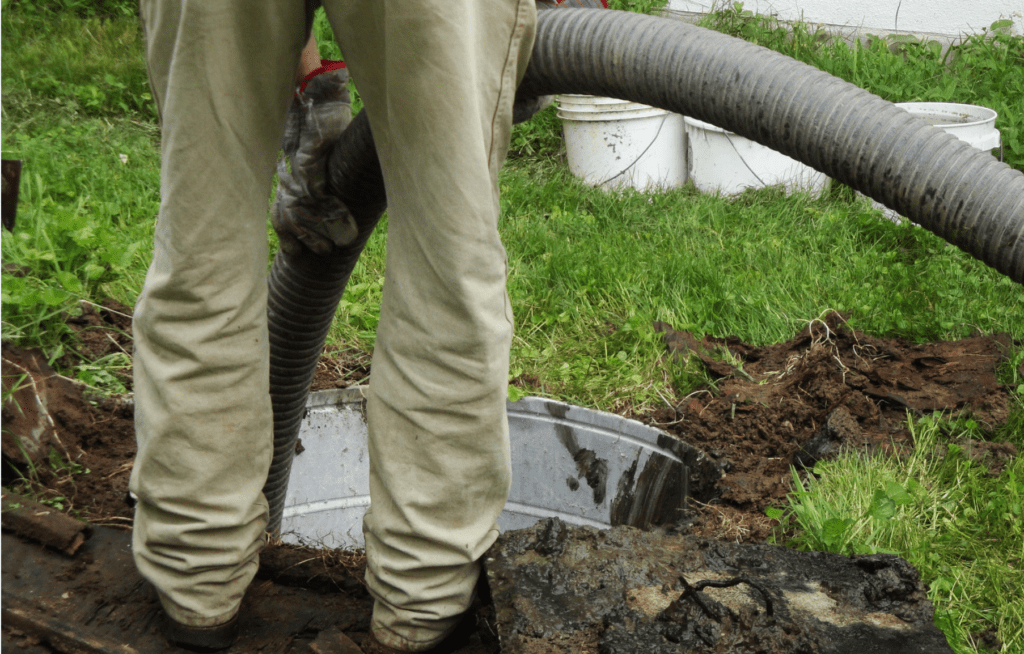
Maintaining a Scent-Free Septic System During Winter Months
The onset of winter presents unique challenges to maintaining a properly functioning and odor-free septic system. Lower temperatures, reduced microbial activity, and changes in household water usage patterns can all contribute to septic tank issues, potentially resulting in unpleasant odors emanating from your property. Understanding the underlying causes and implementing proactive preventative measures is crucial for ensuring a problem-free winter season.
Understanding the Winter Challenges to Septic Systems
The primary concern during winter is the slowing down of the natural decomposition process within the septic tank. This process, carried out by anaerobic bacteria, relies on a consistent temperature to thrive. As temperatures drop, bacterial activity diminishes, leading to a slower breakdown of wastewater solids. This slower breakdown can result in a buildup of sludge and scum within the tank, potentially leading to overflowing and subsequent foul odors.
Reduced Microbial Activity
Anaerobic bacteria, responsible for breaking down organic matter in the septic tank, are sensitive to temperature fluctuations. Below optimal temperatures (typically around 20-30°C or 68-86°F), their metabolic rates significantly decrease, reducing their effectiveness in digesting waste. This slower decomposition rate increases the likelihood of solids accumulating and creating a breeding ground for odor-causing gases.
Impact of Frozen Ground
Frozen ground can significantly impede the drainage of effluent from the septic tank to the leach field. Ice formation within the soil restricts the percolation of treated wastewater, leading to a backup of liquid and potentially overflowing the tank. This backup further contributes to the release of unpleasant odors, creating a serious sanitary issue.
Changes in Household Water Usage
Winter often brings about alterations in household water consumption patterns. Reduced outdoor water usage, such as watering lawns and gardens, can lead to a less frequent flushing of the septic system. This reduced volume of wastewater passing through the system can result in slower waste breakdown and increased buildup of solids within the tank.
Proactive Measures for Odor Prevention
Addressing potential issues before they arise is key to preventing unpleasant septic system odors during winter. A proactive approach involves regular maintenance, careful water usage, and mindful additions to the system.
Regular Septic Tank Pumping and Inspection
Schedule a professional inspection and pumping of your septic tank before the onset of winter. This preventative measure is paramount. A full tank reduces the system's capacity to process waste efficiently. Regular inspections allow professionals to assess the health of your septic system, identify any potential problems early on, and provide recommendations for preventative maintenance.
Mindful Water Usage
While conserving water is always encouraged, it's crucial to ensure your septic system receives sufficient wastewater to maintain a healthy balance. Avoid excessive water conservation that could lead to stagnation within the tank. Ensure that the tank receives regular influent, promoting proper waste breakdown and preventing sludge buildup. Consider strategic use of greywater, where appropriate, to supplement the system.
Avoid Septic System Additives that Contain Harsh Chemicals
Numerous commercially available septic tank additives claim to enhance system performance. However, many of these products contain harsh chemicals that can disrupt the delicate balance of the anaerobic bacterial ecosystem within the tank. These chemicals may kill beneficial bacteria, inhibiting the breakdown of waste and potentially exacerbating odor problems. Consult a professional before using any septic tank additive.
Proper Wastewater Management
Certain household items should never be flushed down the toilet or disposed of in the kitchen sink. Avoid flushing items such as feminine hygiene products, baby wipes, cotton balls, and excessive amounts of grease or oil. These materials can contribute significantly to clogs and buildup within the system, increasing the risk of odor problems. Proper disposal of these items will contribute to a longer-lasting and healthier septic system.
Addressing Existing Odors
Despite preventative measures, unpleasant odors might still emerge. In such instances, immediate action is required to prevent the situation from escalating.
Identify the Source of the Odor
Before attempting any solutions, carefully pinpoint the source of the odor. Is the smell emanating from the septic tank lid, the leach field, or another area? Accurate identification helps in directing your efforts towards the specific problem area.
Temporary Odor Control Measures
While professional intervention is ideal, temporary measures can help mask odors. Baking soda sprinkled around the tank lid or leach field can absorb some of the unpleasant smells. Alternatively, a solution of water and bleach (use sparingly and carefully) can be used to neutralize odors, but it's important to remember that this is only a short-term solution and should not replace professional intervention.
Professional Assistance
If odors persist or worsen, do not hesitate to contact a qualified septic system professional. A thorough inspection can identify the root cause, whether it’s a clogged drain field, a failing septic tank, or other underlying issue. Professional intervention ensures a safe and effective resolution, preventing further damage and health hazards.
Winterization of Septic Systems in Extreme Climates
In regions experiencing extremely cold winters, additional measures may be necessary to protect the septic system from freezing temperatures. This might include:
Consulting with a local septic professional is advisable to determine the appropriate winterization techniques for your specific climate and septic system design.
By understanding the challenges posed by winter and implementing the preventative measures and solutions outlined above, homeowners can significantly reduce the risk of unpleasant odors emanating from their septic systems. Regular maintenance, responsible wastewater management, and prompt professional intervention are key to ensuring a smoothly functioning and scent-free septic system throughout the winter months.
Tuesday, November 19, 2024
What Causes Septic Tank Smells in My Bathroom and How Do I Stop It?

Septic Tank Smells in Your Bathroom: Causes and Solutions
That foul odor creeping from your bathroom? It's likely a sign of trouble with your septic system. While a slightly earthy smell near your drain is sometimes normal, a strong, persistent sewage smell indicates a problem that needs immediate attention. Ignoring it can lead to more significant issues, including costly repairs and potential health hazards. Let's dive into the common culprits and how you can eliminate those unwelcome aromas.
Identifying the Source of the Smell
Before you start tackling the problem, you need to pinpoint its origin. Is the smell strongest near the toilet, shower, sink, or a specific vent? This helps narrow down the potential causes. A strong smell near the toilet suggests a problem with the toilet's seal or the sewer line. A pervasive smell throughout the bathroom could indicate a vent issue or a more widespread problem with your septic system.
Common Culprits of Bathroom Septic Odors
Several factors contribute to septic tank smells invading your bathroom. Understanding these will help you effectively address the issue.
- Dry P-Traps: P-traps are curved sections of pipe under your sinks and shower drains. They hold water, creating a seal that prevents sewer gases from entering your home. If these dry out, the seal breaks, allowing odors to escape.
- Clogged Drains and Vents: Blockages in your drains or vent pipes can restrict airflow, forcing sewer gases back into your bathroom. Hair, soap scum, and other debris are frequent culprits.
- Septic Tank Issues: A full or malfunctioning septic tank can cause a backup of sewage, leading to foul odors. This is especially true if the tank hasn't been pumped recently or if there's a problem with the leach field.
- Cracked Pipes: Leaks in your sewer lines or drainpipes can allow sewer gases to escape and enter your home. These cracks can be difficult to detect, often requiring professional plumbing inspection.
- Poor Ventilation: Insufficient bathroom ventilation can trap odors, making them more noticeable. A lack of proper exhaust fan usage or a faulty fan contributes to this problem.
Effective Solutions to Eliminate Septic Smells
Addressing septic smells requires a multi-pronged approach, targeting potential problem areas one by one.
Immediate Actions
Start with these simple steps to quickly address the most common causes:
- Check your P-traps: Ensure all P-traps contain water. If they're dry, add water to restore the seal.
- Pour boiling water down drains: This can help clear minor clogs and remove lingering organic matter.
- Run your bathroom exhaust fan: Proper ventilation is crucial in removing odors and moisture.
Addressing More Serious Issues
If the smell persists despite these initial steps, you may need to take more drastic measures:
- Inspect drainpipes for clogs: Use a plumber's snake or a drain cleaning solution to clear blockages.
- Check your septic tank: Schedule a professional septic tank inspection and pumping if necessary. A full tank is a major contributor to back-ups and smells.
- Call a plumber: For persistent or severe odors, a professional plumber can diagnose and repair problems with your plumbing system, including leaks or vent issues.
Remember, a persistent septic smell isn't just unpleasant; it's a sign of a potential health hazard. Taking swift action to identify and address the source of the odor protects your family's well-being and saves you from potentially expensive repairs down the line.
Sunday, November 17, 2024
How to Use Enzyme-Based Products for Natural Septic Tank Cleaning

The Natural Way to Clean Your Septic Tank: Enzyme-Based Products
Let's face it, dealing with your septic tank isn't exactly the most glamorous part of homeownership. But, just like any other part of your house, your septic system needs regular maintenance to function smoothly and prevent costly repairs down the line. And that's where enzyme-based cleaning products come in. These natural powerhouses can revolutionize the way you keep your septic tank healthy, saving you money and hassle in the process.
What are Enzyme-Based Septic Tank Cleaners?
Think of enzyme-based cleaners as the good bacteria of the septic world. These products contain beneficial microorganisms that break down organic waste like food scraps, grease, and toilet paper, transforming them into simpler, less harmful substances. This process, known as bioaugmentation, helps reduce the build-up of sludge and scum in your tank, keeping it running efficiently.
Why Choose Enzyme-Based Products?
Unlike harsh chemical cleaners that can damage your septic system and potentially harm the environment, enzyme-based products offer a gentler, more natural approach. Here's why they are a fantastic choice:
Environmentally Friendly
Enzyme-based cleaners are biodegradable and non-toxic, so they pose no threat to the environment. They don't contain harsh chemicals that can pollute groundwater or harm wildlife.
Safe for Your Septic System
These products are formulated to work in harmony with your septic system, helping to maintain the delicate balance of bacteria that break down waste. They won't damage your tank, pipes, or leach field.
Effective Waste Reduction
The enzymes in these products actively break down organic waste, reducing the amount of sludge and scum accumulating in your tank. This can help prolong the lifespan of your septic system and prevent costly pump-outs.
Easy to Use
Simply add the enzyme-based product to your septic tank according to the instructions on the packaging. That's it! No harsh scrubbing, no hazardous chemicals, just a quick and easy maintenance routine.
How to Use Enzyme-Based Products
Using enzyme-based septic tank cleaners is a breeze, but there are a few things to keep in mind to get the most out of them:
Choose the Right Product
Not all enzyme-based products are created equal. Look for products specifically formulated for septic tanks and those with high enzyme concentrations.
Follow the Instructions
Each product comes with specific instructions on dosage and frequency of use. Adhering to these instructions will ensure optimal results and prevent any potential harm to your septic system.
Regular Maintenance is Key
While enzyme-based products can significantly help, they are not a replacement for regular septic tank maintenance. It's still crucial to have your septic system inspected and pumped out every 3-5 years, depending on usage and local regulations.
Tips for Using Enzyme-Based Products
Here are a few additional tips to maximize the effectiveness of enzyme-based products:
- Avoid using harsh chemicals in your septic system, as they can kill off the beneficial bacteria. This includes bleach, drain cleaners, and other strong chemicals.
- Be mindful of what you flush down the toilet. Avoid flushing things like sanitary wipes, paper towels, and feminine hygiene products, as they can clog your system.
- Dispose of grease and cooking oil properly. Don't pour it down the drain, as it can solidify in your pipes and cause blockages.
- Practice water conservation. The less water you use, the less waste goes into your septic tank, putting less strain on your system.
Commonly Asked Questions
What are the best enzyme-based products for septic tanks?
Several excellent enzyme-based septic tank cleaners are available on the market. Some popular options include:
- Rid-X
- Bio-Clean
- Septic Safe
- GreenClean
It's always a good idea to read reviews and compare different products to find the one that best suits your needs and budget.
How often should I use enzyme-based products?
Most enzyme-based products are recommended for use once a month. However, consult the specific instructions on the product packaging, as frequency may vary.
Will enzyme-based products eliminate the need for septic tank pumping?
While enzyme-based products can significantly reduce the buildup of sludge and scum, they cannot entirely eliminate the need for regular septic tank pumping. It's still crucial to have your tank inspected and pumped out every 3-5 years, or as recommended by your local regulations.
Can I use enzyme-based products in my greywater system?
Some enzyme-based products are also safe for use in greywater systems. Look for products explicitly designed for greywater applications. It's essential to ensure that the product you choose is compatible with your specific greywater system.
Are enzyme-based products safe for pets and children?
Generally, enzyme-based septic tank cleaners are safe for pets and children when used according to the instructions. However, it's always advisable to keep all cleaning products out of reach of children and pets. In case of accidental ingestion or contact, contact a poison control center or seek immediate medical attention.
By using enzyme-based products for your septic tank maintenance, you can enjoy a more natural, eco-friendly approach to keeping your system healthy and functioning properly for years to come. It's a win-win situation for your wallet, your environment, and your home's overall well-being!
What Causes Septic Tank Smell and How to Get Rid of It

Causes of Septic Tank Smell and How to Get Rid of It
A septic tank is an essential component of a wastewater treatment system for homes that are not connected to a public sewer system. It effectively separates solid waste from liquid waste, allowing the liquid to be discharged into a drain field for further treatment. However, a septic tank can sometimes emit unpleasant odors, raising concerns about its functionality and potential health risks.
This article explores the common causes of septic tank odor and provides practical solutions to eliminate it. Understanding the underlying factors contributing to the smell can help you address the issue effectively and ensure the proper functioning of your septic system.
Common Causes of Septic Tank Odor
Septic tank odor typically arises from a breakdown in the treatment process, leading to the release of foul-smelling gases. Here are the most common causes of septic tank odor:
1. Overloading the Septic Tank
The septic tank is designed to hold a specific amount of wastewater. When the tank is overloaded, it can't effectively separate solids from liquids, leading to a buildup of sludge and scum at the bottom. This accumulation can generate gases that escape through vents or even into the house.
Signs of overloading include:
- Frequent backups or slow drains
- Gurgling sounds from drains
- Sewer-like odor near the septic tank or drain field
2. Failure of the Drain Field
The drain field is a series of perforated pipes buried in the ground that allow treated wastewater to filter through the soil. If the drain field becomes clogged or damaged, it can't effectively process the liquid waste, causing it to back up into the tank and release odors.
Signs of drain field failure include:
- Standing water or wet spots in the drain field area
- A strong sewer smell coming from the yard
- Slow draining or frequent backups in the house
3. Septic Tank Lid Issues
The septic tank lid is designed to prevent odors from escaping. A cracked, loose, or improperly sealed lid can allow gases to escape, resulting in an unpleasant smell. This is particularly problematic in areas with high wind or traffic, which can dislodge the lid or create negative pressure.
4. Improper Ventilation
Septic tanks typically have a vent pipe that extends above the roofline to release gases safely. If the vent pipe is blocked or improperly installed, it can trap gases within the tank, leading to odor issues.
5. Leaks in the Septic System
Leaks in the septic tank or piping can allow wastewater to escape into the surrounding soil, creating a source of foul odors. This can occur due to cracks, corrosion, or improper connections.
6. Excessive Use of Harsh Chemicals
While it may seem like a good idea to use harsh chemicals like bleach or drain cleaners to eliminate septic tank odors, these substances can actually disrupt the bacteria that help break down waste. This can lead to a buildup of solids and an increase in odor production.
How to Get Rid of Septic Tank Smell
Dealing with septic tank odor requires a multi-pronged approach to address the underlying cause. Here are some effective steps to eliminate the smell:
1. Regular Maintenance
Maintaining a healthy septic system is crucial for preventing odors. This includes:
- Pumping the tank: Schedule regular septic tank pumping services, typically every 3-5 years, to remove accumulated sludge and scum. This will improve the tank's performance and reduce odor production.
- Inspecting the drain field: Regularly inspect the drain field for any signs of damage or clogging. Ensure proper drainage by removing excess vegetation and debris from the area.
- Checking the lid: Make sure the septic tank lid is secure and in good condition. Replace or repair damaged lids to prevent odor leakage.
- Cleaning the vent pipe: Check the septic tank vent pipe for blockages and clean it regularly to ensure proper ventilation.
- Avoid harsh chemicals: Avoid using harsh chemicals that can harm the bacteria in your septic system. Instead, use natural septic tank treatments designed to improve digestion and reduce odor.
2. Addressing Leaks and Clogs
If you suspect a leak or clog in your septic system, you should contact a qualified septic tank professional. They can identify the source of the problem and recommend appropriate solutions, which may include:
- Repairing leaks: Professionals can patch cracks or replace damaged pipes to prevent wastewater leaks.
- Clearing clogs: They can use specialized equipment to clear clogs in the drain field or septic tank pipes.
- Replacing the drain field: In severe cases of damage, a professional may recommend replacing the drain field entirely.
3. Using Deodorizers
While deodorizers can temporarily mask septic tank odor, they don't address the underlying cause. They're best used in conjunction with other methods to improve the overall smell. Commonly available deodorizers include:
- Activated charcoal: Activated charcoal absorbs odors and can be placed near the septic tank or drain field.
- Commercial deodorizers: Many commercial deodorizers are available that contain enzymes or bacteria that help break down odor-causing compounds.
- Natural deodorizers: Baking soda, vinegar, and citrus peels can also help absorb and neutralize odors.
Preventing Future Odor Issues
Once you have eliminated the septic tank odor, you should take preventative measures to avoid future problems.
- Properly dispose of waste: Avoid flushing non-biodegradable items, such as wipes, paper towels, and feminine hygiene products, down the toilet. These items can clog the system and cause odors.
- Minimize water usage: Conserving water can help reduce the amount of wastewater entering the septic tank, minimizing the risk of overloading.
- Regularly check for leaks: Monitor your plumbing for leaks and have them repaired promptly to prevent excess wastewater from entering the septic system.
- Use septic-safe detergents: Select detergents that are specifically designed for use with septic systems to prevent damage to the bacteria that help break down waste.
- Educate household members: Ensure that everyone in your household is aware of proper septic system usage and maintenance practices.
Conclusion
Dealing with a septic tank odor can be an unpleasant experience, but with a proactive approach and appropriate measures, you can eliminate the smell and ensure the proper functioning of your septic system. Regularly scheduled maintenance, addressing leaks and clogs, and using deodorizers can help eliminate the odor and prevent future issues.
Remember, if you are unsure about any aspect of your septic system, it's always best to consult with a qualified septic tank professional. Their expertise can help identify the source of the problem and provide tailored solutions to ensure a clean, odor-free environment.
Why Outdoor Septic Odors Develop and How to Prevent Them

Outdoor Septic Odors: Causes and Prevention
The presence of unpleasant odors emanating from your septic system can be a source of frustration and embarrassment. These odors can be particularly bothersome in outdoor areas, impacting your enjoyment of your property. Understanding the root causes of septic odors and implementing preventive measures can significantly improve the air quality around your home.
Common Causes of Outdoor Septic Odors
Septic odors typically arise from the breakdown of organic matter within the septic tank and drainfield. This decomposition process releases gases, including hydrogen sulfide, ammonia, and methane, which can escape into the surrounding environment. The following factors contribute to the development of outdoor septic odors:
1. Septic Tank Overflow
When the septic tank becomes full, wastewater can back up into the drainfield, leading to an overflow. This overflow can result in sewage backing up into the yard, causing foul odors. The overflow can also saturate the soil, hindering the drainfield's ability to treat wastewater effectively.
2. Drainfield Malfunction
The drainfield plays a crucial role in treating wastewater by filtering it through a network of trenches filled with gravel. If the drainfield becomes clogged or damaged, it can't adequately process the wastewater, leading to a buildup of bacteria and the release of foul odors.
3. Faulty Septic System Components
Problems with various components of the septic system, such as the septic tank lid, baffles, or vent pipe, can contribute to odor issues. A damaged lid can allow gases to escape, while faulty baffles can disrupt the sedimentation process, leading to a buildup of solids and odor-producing bacteria. A clogged or malfunctioning vent pipe can also trap gases within the system, causing them to back up and release into the surrounding area.
4. Inadequate Ventilation
Proper ventilation is essential for a healthy septic system. If the vent pipe is blocked or improperly installed, it can impede the escape of gases, leading to a buildup of pressure within the system and the release of odors.
5. Excess Use of Water
Excessive water usage can overwhelm the septic system's capacity to treat wastewater. Large loads of laundry, frequent showers, and other water-intensive activities can contribute to a buildup of solids in the septic tank and a decline in the efficiency of the drainfield.
6. Improper Maintenance
Regular maintenance is crucial for preventing septic odors. Neglecting to pump out the septic tank can lead to a buildup of solids, reducing the tank's capacity and increasing the likelihood of overflows. Routine inspections of the system's components can also identify and address potential problems before they escalate.
Preventing Outdoor Septic Odors: A Comprehensive Approach
To effectively prevent outdoor septic odors, a multi-pronged approach is recommended. The following measures can help minimize the risk of foul smells from your septic system:
1. Septic Tank Pumping
Regular septic tank pumping is essential to maintain a healthy system. The recommended frequency depends on several factors, including the size of the tank, the number of occupants, and the amount of water usage. However, a general guideline is to pump the tank every 2-5 years.
2. Drainfield Maintenance
Maintain the drainfield by ensuring proper drainage and preventing compaction. This can be achieved by avoiding driving or parking vehicles over the drainfield, planting grass rather than trees or shrubs, and limiting the use of fertilizers and pesticides.
3. System Inspection
Have your septic system inspected by a qualified professional at least once every 2-3 years. This inspection should include a thorough examination of the tank, drainfield, and all other system components. Early detection of problems can help prevent major repairs and costly repairs.
4. Septic-Safe Practices
Adopt septic-safe practices to minimize the amount of harmful substances entering your septic system. Avoid flushing items like disposable wipes, feminine hygiene products, and medications, as these can clog the drainfield and contribute to odor issues. Limit the use of harsh chemicals and avoid pouring grease or oil down the drain.
5. Water Conservation
Conserving water reduces the workload on your septic system. Install water-saving fixtures, such as low-flow showerheads and toilets, and practice water-conscious habits, such as taking shorter showers and watering lawns efficiently.
6. Proper Ventilation
Ensure proper ventilation by keeping the vent pipe unobstructed and free from debris. Inspect the pipe regularly for any damage or blockages. If you suspect a ventilation problem, contact a septic professional for a proper diagnosis and repair.
7. Odor Control
In some cases, odor control measures may be necessary to neutralize existing odors. Consider using odor-absorbing products like baking soda or activated charcoal. Planting odor-masking plants, such as lavender or rosemary, can also help to mask unpleasant smells.
Addressing Existing Odors
If you are already experiencing outdoor septic odors, it is important to identify the source of the problem. This may require a professional inspection to determine the specific cause.
Once the cause has been identified, you can take appropriate steps to address the odor. This may include:
- Pumping the septic tank.
- Repairing or replacing a malfunctioning component.
- Improving drainage in the drainfield.
- Implementing water conservation measures.
In some cases, you may need to consult with a septic professional for more specialized solutions, such as drainfield repair or replacement.
Conclusion
Outdoor septic odors can be a significant nuisance, but with a proactive approach to prevention and maintenance, you can minimize the risk of foul smells. Regular septic tank pumping, drainfield maintenance, and the implementation of septic-safe practices are crucial for maintaining a healthy and odor-free septic system. By addressing potential problems early, you can avoid costly repairs and ensure a pleasant outdoor environment for your family and guests.