Wednesday, November 20, 2024
How Can I Ensure My Septic Tank Doesn’t Smell in Winter?
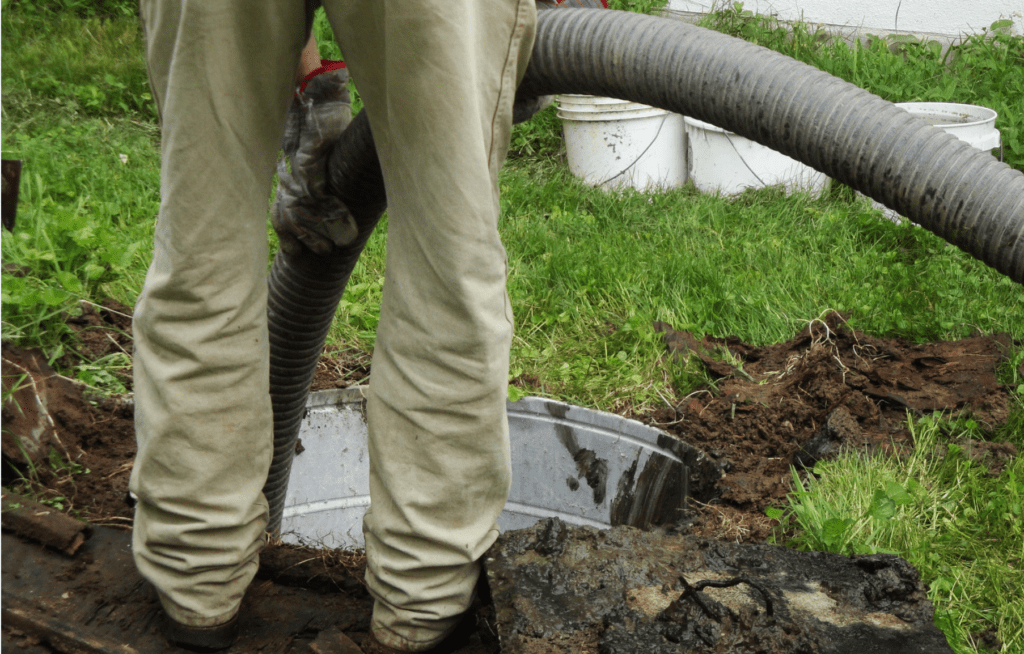
Maintaining a Scent-Free Septic System During Winter Months
The onset of winter presents unique challenges to maintaining a properly functioning and odor-free septic system. Lower temperatures, reduced microbial activity, and changes in household water usage patterns can all contribute to septic tank issues, potentially resulting in unpleasant odors emanating from your property. Understanding the underlying causes and implementing proactive preventative measures is crucial for ensuring a problem-free winter season.
Understanding the Winter Challenges to Septic Systems
The primary concern during winter is the slowing down of the natural decomposition process within the septic tank. This process, carried out by anaerobic bacteria, relies on a consistent temperature to thrive. As temperatures drop, bacterial activity diminishes, leading to a slower breakdown of wastewater solids. This slower breakdown can result in a buildup of sludge and scum within the tank, potentially leading to overflowing and subsequent foul odors.
Reduced Microbial Activity
Anaerobic bacteria, responsible for breaking down organic matter in the septic tank, are sensitive to temperature fluctuations. Below optimal temperatures (typically around 20-30°C or 68-86°F), their metabolic rates significantly decrease, reducing their effectiveness in digesting waste. This slower decomposition rate increases the likelihood of solids accumulating and creating a breeding ground for odor-causing gases.
Impact of Frozen Ground
Frozen ground can significantly impede the drainage of effluent from the septic tank to the leach field. Ice formation within the soil restricts the percolation of treated wastewater, leading to a backup of liquid and potentially overflowing the tank. This backup further contributes to the release of unpleasant odors, creating a serious sanitary issue.
Changes in Household Water Usage
Winter often brings about alterations in household water consumption patterns. Reduced outdoor water usage, such as watering lawns and gardens, can lead to a less frequent flushing of the septic system. This reduced volume of wastewater passing through the system can result in slower waste breakdown and increased buildup of solids within the tank.
Proactive Measures for Odor Prevention
Addressing potential issues before they arise is key to preventing unpleasant septic system odors during winter. A proactive approach involves regular maintenance, careful water usage, and mindful additions to the system.
Regular Septic Tank Pumping and Inspection
Schedule a professional inspection and pumping of your septic tank before the onset of winter. This preventative measure is paramount. A full tank reduces the system's capacity to process waste efficiently. Regular inspections allow professionals to assess the health of your septic system, identify any potential problems early on, and provide recommendations for preventative maintenance.
Mindful Water Usage
While conserving water is always encouraged, it's crucial to ensure your septic system receives sufficient wastewater to maintain a healthy balance. Avoid excessive water conservation that could lead to stagnation within the tank. Ensure that the tank receives regular influent, promoting proper waste breakdown and preventing sludge buildup. Consider strategic use of greywater, where appropriate, to supplement the system.
Avoid Septic System Additives that Contain Harsh Chemicals
Numerous commercially available septic tank additives claim to enhance system performance. However, many of these products contain harsh chemicals that can disrupt the delicate balance of the anaerobic bacterial ecosystem within the tank. These chemicals may kill beneficial bacteria, inhibiting the breakdown of waste and potentially exacerbating odor problems. Consult a professional before using any septic tank additive.
Proper Wastewater Management
Certain household items should never be flushed down the toilet or disposed of in the kitchen sink. Avoid flushing items such as feminine hygiene products, baby wipes, cotton balls, and excessive amounts of grease or oil. These materials can contribute significantly to clogs and buildup within the system, increasing the risk of odor problems. Proper disposal of these items will contribute to a longer-lasting and healthier septic system.
Addressing Existing Odors
Despite preventative measures, unpleasant odors might still emerge. In such instances, immediate action is required to prevent the situation from escalating.
Identify the Source of the Odor
Before attempting any solutions, carefully pinpoint the source of the odor. Is the smell emanating from the septic tank lid, the leach field, or another area? Accurate identification helps in directing your efforts towards the specific problem area.
Temporary Odor Control Measures
While professional intervention is ideal, temporary measures can help mask odors. Baking soda sprinkled around the tank lid or leach field can absorb some of the unpleasant smells. Alternatively, a solution of water and bleach (use sparingly and carefully) can be used to neutralize odors, but it's important to remember that this is only a short-term solution and should not replace professional intervention.
Professional Assistance
If odors persist or worsen, do not hesitate to contact a qualified septic system professional. A thorough inspection can identify the root cause, whether it’s a clogged drain field, a failing septic tank, or other underlying issue. Professional intervention ensures a safe and effective resolution, preventing further damage and health hazards.
Winterization of Septic Systems in Extreme Climates
In regions experiencing extremely cold winters, additional measures may be necessary to protect the septic system from freezing temperatures. This might include:
Consulting with a local septic professional is advisable to determine the appropriate winterization techniques for your specific climate and septic system design.
By understanding the challenges posed by winter and implementing the preventative measures and solutions outlined above, homeowners can significantly reduce the risk of unpleasant odors emanating from their septic systems. Regular maintenance, responsible wastewater management, and prompt professional intervention are key to ensuring a smoothly functioning and scent-free septic system throughout the winter months.

No comments:
Post a Comment