Sunday, November 17, 2024
Homemade Septic Tank Treatment: How to Fix Odors, Clogs, and Slow Drains
Homemade Septic Tank Treatment: How to Fix Odors, Clogs, and Slow Drains
A well-functioning septic system is essential for any household that relies on it for wastewater treatment. However, over time, septic systems can experience issues that lead to unpleasant odors, slow drains, and even clogs. While professional septic tank maintenance is crucial, there are several homemade treatments you can use to address these problems and keep your system running smoothly.
Understanding the Septic System
Before diving into homemade solutions, it's essential to understand how a septic system works. A septic system is a self-contained wastewater treatment system that typically consists of:
- Septic tank: A large, underground container where wastewater settles. Solids settle at the bottom, forming sludge, while lighter materials float on the surface, forming scum.
- Drainfield: A series of underground trenches filled with gravel or sand, where the treated wastewater is discharged and further filtered by the soil.
The septic tank acts as a primary treatment unit, separating solids from liquids. The liquid effluent then flows to the drainfield, where bacteria further break down organic matter. This process is crucial for releasing wastewater back into the environment in a safe and environmentally friendly manner.
Addressing Septic Tank Odors
Septic tank odors are usually caused by the buildup of hydrogen sulfide gas, a byproduct of bacterial decomposition. These odors can be unpleasant and indicate a potential problem within the system. Here are some homemade solutions to combat septic tank odors:
1. Baking Soda and Vinegar
This simple combination is a powerful deodorizer. Pour one cup of baking soda down the drain followed by one cup of vinegar. Allow the mixture to fizz and react for several minutes before flushing with hot water. This helps neutralize odors and can help break down minor clogs in drain lines.
2. Yeast and Sugar
This mixture provides a food source for beneficial bacteria in the septic tank, helping to break down waste and reduce odors. Combine one cup of sugar with one packet of active dry yeast and pour it down the toilet. Flush with water and let it work its magic.
3. Enzyme Tablets
Enzyme tablets are available at most home improvement stores and are designed to break down organic waste in septic tanks. Follow the manufacturer's instructions for the appropriate dosage and frequency of use.
4. Maintain Proper Ventilation
Ensure your septic tank vent pipe is clear and unobstructed. A clogged vent pipe can trap odors and prevent proper air circulation, leading to foul smells.
Dealing with Clogs and Slow Drains
Slow drains or clogs in your septic system are often caused by the buildup of grease, hair, and other debris in the drain lines. These clogs can significantly hinder the flow of wastewater and potentially damage your septic system.
1. Avoid Flushing Unnecessary Items
One of the best ways to prevent clogs is to avoid flushing anything other than human waste and toilet paper. Avoid flushing items like wipes, paper towels, feminine hygiene products, and even coffee grounds, as they can contribute to blockages.
2. Use a Plunger
For minor clogs in the drain lines, a plunger can often be the solution. Place the plunger over the drain opening and push and pull vigorously to dislodge the blockage. Make sure to create a good seal around the plunger to maximize its effectiveness.
3. Baking Soda and Vinegar Solution
As mentioned earlier, baking soda and vinegar can also be used to clear minor clogs in drain lines. Pour one cup of baking soda followed by one cup of vinegar down the drain and let it sit for a few minutes before flushing with hot water.
4. Enzyme Cleaners
Enzyme-based drain cleaners are available in liquid or tablet form and are designed to break down organic matter that causes clogs. Follow the manufacturer's instructions carefully and ensure the cleaner is compatible with septic systems.
Preventing Future Issues
While homemade treatments can help address temporary issues, regular maintenance is essential for a healthy septic system. Here are some preventative measures to minimize future problems:
- Regular Inspections: Schedule a professional inspection of your septic system every 3-5 years. This will help identify potential problems early and prevent them from escalating.
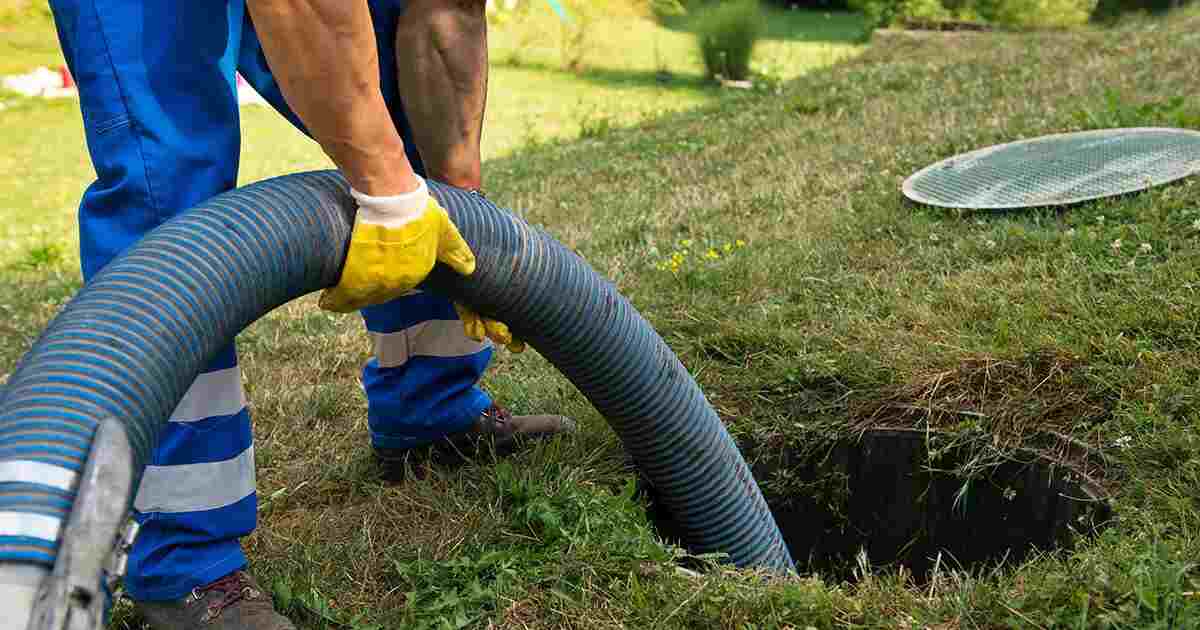
- Pumping: Have your septic tank pumped out every 3-5 years, depending on household size and usage. This will remove accumulated sludge and scum, ensuring proper flow and preventing overflows.
- Water Conservation: Reduce water usage where possible to minimize the amount of wastewater entering the septic system. This includes taking shorter showers, fixing leaks, and using water-efficient appliances.
- Avoid Harsh Chemicals: Avoid using harsh chemical cleaners, disinfectants, and drain openers in your septic system as they can harm the beneficial bacteria that break down waste.
When to Call a Professional
While homemade treatments can be effective for minor issues, there are situations where you should seek professional assistance:
- Recurring clogs: If you experience frequent clogs despite using homemade solutions, it's a sign of a more serious problem that may require professional plumbing services.
- Slow Drains throughout the House: A slow drain in the entire house indicates a system-wide blockage, requiring professional intervention.
- Septic Tank Overflow: This is a serious issue that can cause significant damage to your property and requires immediate professional assistance.
- Unpleasant Odors that Persist: Persistent odors, even after trying homemade solutions, suggest a potential problem with your septic system, and a professional inspection is recommended.
Remember, a healthy septic system is crucial for the well-being of your home and the environment. While homemade treatments can be helpful in addressing temporary issues, regular maintenance and professional inspections are essential for preventing major problems.

No comments:
Post a Comment