Monday, November 11, 2024
How to Fix Septic Tank Smell from Poorly Designed Systems
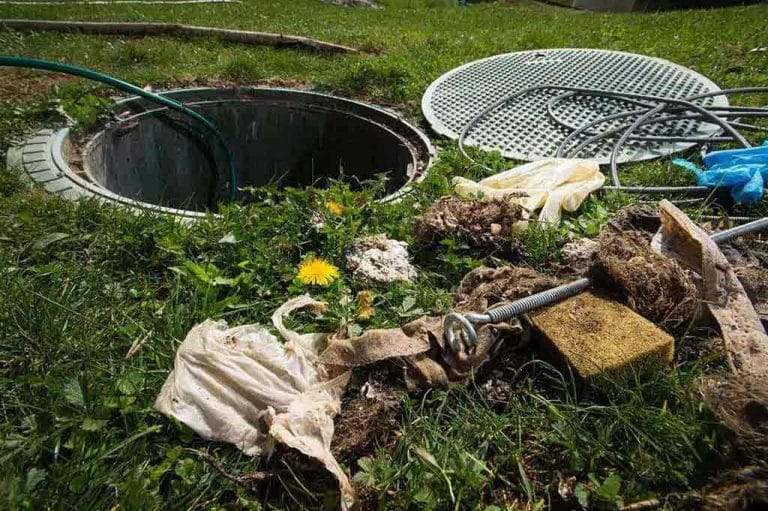
The unmistakable, unpleasant aroma emanating from a septic system is a homeowner's nightmare. While a properly functioning septic system should operate silently and efficiently, poorly designed or aging systems can succumb to various issues, leading to offensive odors. This article delves into the common causes of septic tank odors stemming from design flaws, providing practical advice on identification and remediation strategies.
Understanding the Root of the Problem: Unraveling the Design Deficiencies
A well-designed septic system relies on a combination of components â€" the septic tank, drain field, and sometimes a pump chamber â€" to effectively treat wastewater. The problem arises when one or more of these components fall short of optimal design parameters, creating conditions conducive to odor production.
1. Insufficient Tank Size: A septic tank that is too small for the household's wastewater volume leads to rapid fill-up, preventing proper solids settling and anaerobic digestion. The result: a build-up of undigested waste, emitting foul odors.
2. Inadequate Drain Field Design: The drain field is responsible for filtering and dispersing treated wastewater. Insufficient size, poor drainage, or improper slope can lead to waterlogging, creating a breeding ground for bacteria that produce offensive odors.
3. Lack of Venting: A vent pipe is crucial for air circulation within the system, preventing pressure build-up that can force wastewater out through plumbing fixtures. Poorly designed or blocked vent pipes can trap gases, contributing to odor problems.
4. Improper Septic Tank Placement: Incorrect positioning of the tank, particularly in close proximity to a dwelling, can allow odors to permeate the home.
5. Faulty Inlet and Outlet Pipes: Damaged or improperly sealed pipes connecting the tank to the house and the drain field can lead to leaks, causing sewage backflow and offensive odors.
Identifying the Source of the Odor: A Systematic Approach
Pinpointing the exact source of the odor is crucial for effective remediation. Here's a systematic approach:
1. Investigate the Immediate Surroundings: Check the area around the septic tank and drain field for any unusual odors or signs of water pooling.
2. Examine Plumbing Fixtures: Observe any unusual smells coming from drains, sinks, or toilets, even if they seem unrelated to the septic system.
3. Verify Vent Pipe Functionality: Inspect the vent pipe for blockages, corrosion, or improper connections.
4. Inspect the Septic Tank: If possible, visually inspect the tank for excessive solids build-up, improper water levels, or leaks.
5. Engage a Professional: If you're unsure about the source of the odor or need a thorough assessment, contact a licensed septic system inspector or contractor.
Remediation Strategies for a Smeller-Free Septic System
Once the source of the odor is identified, specific remediation strategies can be employed:
1. Tank Pumping and Maintenance: Regular pumping removes accumulated solids, preventing overfilling and associated odors.
2. Drain Field Repair and Replacement: If the drain field is failing, it may require repair or replacement. This involves excavating the field, repairing or replacing broken pipes, and reinstalling the gravel and soil.
3. Vent Pipe Inspection and Repair: Inspect the vent pipe for blockages and ensure proper ventilation.
4. Septic Tank Additives: Using beneficial bacteria and enzyme additives can improve the digestion process within the tank, reducing odor production.
5. Plumbing Repairs: Any leaks or damaged pipes connecting the tank to the house or drain field should be repaired or replaced promptly.
6. Septic System Upgrades: If the system is outdated or insufficient, a professional can assess the need for upgrades, such as installing a larger tank, a pump chamber, or a more efficient drain field.
Prevention is Key: Maintaining a Healthy Septic System
Preventing future odor problems requires a proactive approach:
1. Regular Maintenance: Schedule regular septic tank pumping, typically every 3-5 years, depending on the system size and household usage.
2. Conscientious Usage: Avoid flushing non-biodegradable materials like wipes, sanitary products, and grease down the drain.
3. Water Conservation: Reducing water usage minimizes the amount of wastewater entering the septic system, extending the time between pumping.
4. Avoid Heavy Loads: Minimize the use of garbage disposals and washing machines to prevent overloading the system.
5. Monitor for Changes: Be attentive to any changes in drainage, plumbing, or odor patterns, as these can indicate potential problems.
Conclusion
Septic tank odors are often a sign of underlying design flaws or maintenance neglect. By understanding the common causes, identifying the source, and implementing appropriate remediation strategies, homeowners can effectively address these issues and restore their septic system to a state of odorless operation. Remember, preventative maintenance is crucial for a healthy and trouble-free septic system, ensuring a clean and comfortable living environment.

No comments:
Post a Comment