Monday, November 11, 2024
How to Remove Septic Tank Odor with a Septic Tank Additive
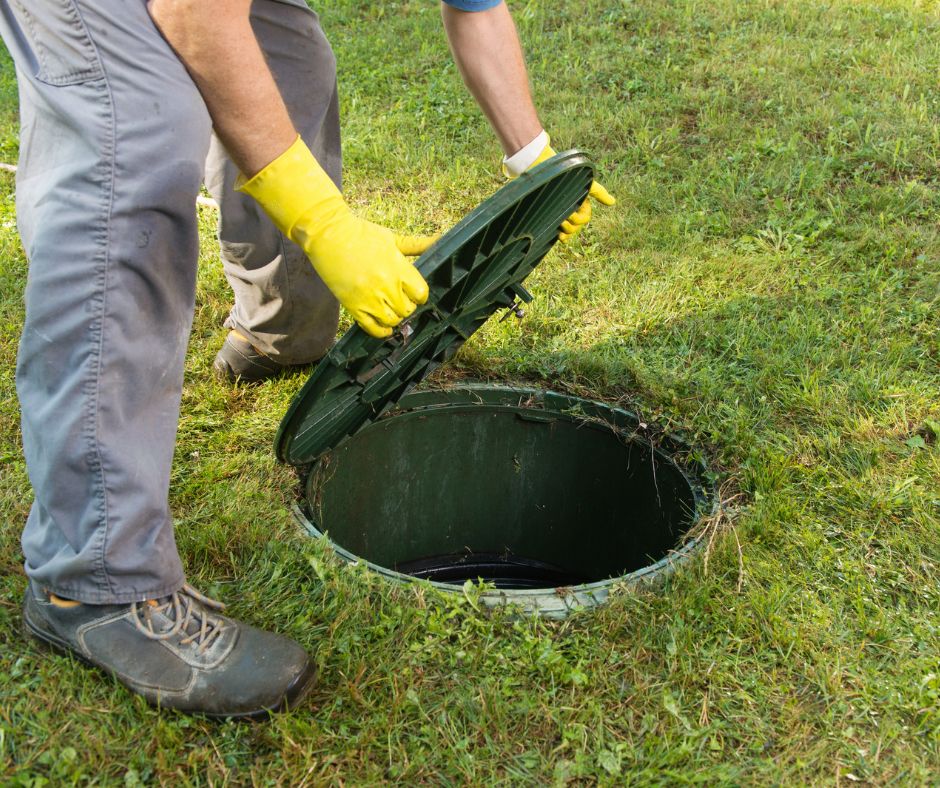
The presence of a foul odor emanating from your septic system is a common and often frustrating problem. While a healthy septic system typically generates minimal odors, imbalances or breakdowns can lead to unpleasant smells that permeate your home and yard. Thankfully, a well-chosen septic tank additive can effectively combat these odors, restoring balance to your system and eliminating the source of the offensive aroma.
Understanding Septic System Odors: A Primer
Before delving into the specifics of septic tank additives, it's crucial to understand the root causes of septic system odors. These odors are generally caused by the breakdown of organic matter within the septic tank, leading to the production of hydrogen sulfide gas, a notorious culprit behind the "rotten egg" smell. This process is exacerbated by:
Overloading: Excessive waste input, beyond the tank's capacity, can lead to a buildup of solids, impeding proper decomposition and promoting odor-producing bacteria.
Improper Maintenance: Lack of regular septic tank pumping and inspection can result in a buildup of sludge and scum, leading to anaerobic conditions that favor the formation of malodorous gases.
System Imbalance: An imbalance in the microbial ecosystem within the tank can cause a shift towards odor-producing bacteria, amplifying the foul scent.
Septic Tank Additives: A Solution to Septic Tank Odors
Septic tank additives are specifically designed to address the odor problem by promoting a healthy environment within the tank, inhibiting the formation of malodorous gases and facilitating efficient waste decomposition. These additives can be classified into two main categories:
1. Bacteria-Based Additives:
These additives contain a blend of beneficial bacteria that enhance the breakdown of organic matter in the tank, reducing the amount of sludge and scum that can lead to odor production. This process, known as aerobic digestion, promotes a healthy microbial ecosystem that discourages the growth of odor-producing bacteria.
Mechanism of Action: Bacteria-based additives work by introducing a population of microorganisms that compete with odor-producing bacteria for resources, effectively reducing their numbers and their ability to generate foul odors.
Benefits: These additives effectively break down waste, reduce sludge buildup, and minimize the formation of malodorous gases.
Limitations: Bacteria-based additives require consistent use to maintain a healthy microbial environment. The effectiveness of these additives can be affected by the presence of chemicals such as bleach or certain types of detergents that can kill beneficial bacteria.
2. Enzyme-Based Additives:
These additives contain enzymes, natural catalysts that accelerate the breakdown of organic matter, further reducing sludge buildup and minimizing the production of foul odors.
Mechanism of Action: Enzymes work by breaking down complex organic molecules into simpler compounds, facilitating their decomposition and reducing the potential for odor formation.
Benefits: Enzyme-based additives are effective in reducing existing odors and preventing future odor production. They are generally safe for septic systems and can be used in conjunction with bacteria-based additives.
Limitations: Enzyme-based additives may not be as effective as bacteria-based additives in completely eliminating existing odor problems. They also require consistent use for optimal results.
Choosing the Right Septic Tank Additive: A Guide to Informed Selection
Selecting the right septic tank additive is crucial for achieving effective odor control and maintaining a healthy septic system. Consider the following factors when making your choice:
Type of Additive: Determine whether a bacteria-based or enzyme-based additive is best suited for your specific needs. Bacteria-based additives are ideal for preventing future odor production, while enzyme-based additives are more suitable for addressing existing odor problems.
Dosage and Frequency: Pay close attention to the recommended dosage and frequency of application. Using an excessive amount of additive can disrupt the balance of the septic tank's microbial ecosystem.
Compatibility: Ensure that the chosen additive is compatible with your septic system and does not contain any harmful ingredients.
Safety Considerations: Always read the manufacturer's instructions carefully and adhere to all safety precautions to avoid potential health hazards.
Using Septic Tank Additives: A Step-by-Step Guide
Once you've chosen an appropriate septic tank additive, follow these steps to ensure effective application:
1. Inspect the Tank: Prior to using any additives, it's recommended to have your septic tank professionally inspected to assess its condition and identify any potential issues.
2. Prepare the Additive: Carefully read the manufacturer's instructions and ensure you're using the correct dosage and preparation method.
3. Add the Additive: Pour the prepared additive directly into the toilet bowl or septic tank inlet, as instructed.
4. Flush the System: Flush the toilet several times to ensure the additive is evenly distributed throughout the septic system.
5. Monitor and Maintain: Continue using the septic tank additive as per the manufacturer's instructions, paying attention to the reduction in odors and overall system performance. Regular septic tank pumping and maintenance are crucial for optimal results.
Additional Tips for Preventing and Controlling Septic Tank Odors
Reduce Waste: Minimize the amount of waste entering the septic system by limiting the use of water-intensive appliances such as dishwashers and washing machines.
Proper Disposal: Avoid disposing of hazardous materials, chemicals, and grease down the drain, as these substances can harm beneficial bacteria and contribute to odor production.
Regular Inspections: Schedule regular professional inspections of your septic system to ensure optimal performance and identify potential problems before they escalate.
Conclusion: Maintaining a Fresh and Odor-Free Home
The use of septic tank additives is a valuable tool for combating unpleasant odors and promoting a healthy septic system. By understanding the principles of septic tank odor control and choosing the right additive, you can effectively eliminate the source of these foul smells and maintain a fresh and odor-free home environment. Remember, proper maintenance and regular inspections are crucial for ensuring optimal performance and preventing future odor problems.

No comments:
Post a Comment