Thursday, November 14, 2024
How to Fix a Septic Tank That Smells Like Sewage
How to Fix a Septic Tank That Smells Like Sewage
A septic tank that smells like sewage is a clear sign of a problem. It's not only unpleasant but can also pose health risks. Thankfully, you can often address the issue yourself with a bit of investigation and effort. Here's a guide to help you pinpoint the source of the smell and tackle the problem head-on.
Understanding the Problem
Septic systems rely on a natural process of bacteria breaking down waste. When this process is disrupted, you'll likely encounter a sewage smell. Common culprits include:
Overloaded Tank
An overloaded tank can't efficiently decompose waste, leading to backups and odors. If you've recently had a lot of guests or experienced a plumbing leak, this could be the issue.
Clogged Drainfield
The drainfield, where treated wastewater is discharged, can become clogged with debris or grease. This prevents proper filtration and results in foul odors surfacing.
Faulty Vent Pipe
A vent pipe, responsible for releasing gases from the tank, should be clear and unobstructed. A blockage in the vent can trap gases, causing them to back up and escape into your home.
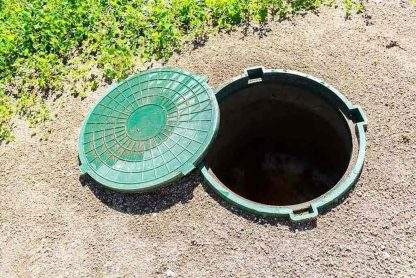
Broken Septic Tank Lid
A cracked or broken lid allows gases to escape into the surrounding air.
Addressing the Smell
Follow these steps to tackle the sewage smell:
1. Inspect the Tank Lid
Start by visually inspecting the septic tank lid. Look for cracks, breaks, or any signs of dislodging. If you spot any damage, contact a professional for repair or replacement.
2. Check the Drainfield
Walk around the drainfield area and look for any signs of standing water, wet spots, or gurgling sounds. These could indicate a clogged drainfield.
3. Investigate the Vent Pipe
Locate your vent pipe. It's often a vertical pipe extending from the septic tank to the roof. Ensure it's free of debris and hasn't become blocked. If you notice any obstructions, clear them carefully.
4. Evaluate Tank Capacity
Consider the size of your septic tank and your household's wastewater production. If you suspect an overloaded tank, consider pumping it out. You can schedule this service with a qualified septic tank professional.
5. Limit Wastewater
Reduce the amount of water going into your septic system by limiting water usage in your home. Take shorter showers, fix leaky faucets, and avoid running appliances that use large amounts of water.
When to Call a Professional
While some septic issues can be addressed with DIY solutions, there are times when professional help is crucial.
- If the smell is overwhelming or persistent despite your efforts.
- If you suspect a major plumbing problem.
- If you experience any signs of sewage backing up into your house.
- If the drainfield is flooded or showing signs of significant failure.
Calling a qualified septic professional ensures proper diagnosis and repair, preventing further damage and potential health risks.

No comments:
Post a Comment